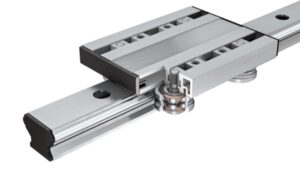
What Is a Release Bearing?
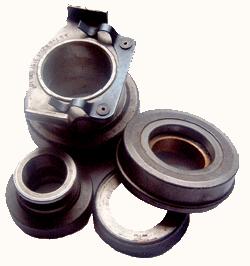
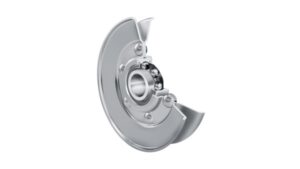
A release bearing, also called a clutch release bearing, is a core part of the clutch system in manual transmission vehicles. It sits between the clutch pressure plate and the transmission input shaft. It works with the clutch pedal to engage and disengage the clutch smoothly. This small component plays a key role in safe gear shifting and smooth driving.
How Does It Work?
When you press the clutch pedal, the release bearing moves forward. It pushes against the diaphragm spring on the pressure plate. The spring bends, pulling the clutch disc away from the engine flywheel. This stops power flow to the transmission, so you can shift gears safely. When you release the pedal, the bearing moves back. The spring returns to its shape, the clutch re-engages, and power flows again.
Working Conditions and Quality
Release bearings face harsh working conditions every day. They spin at high speeds and rub against other parts constantly. They also deal with engine heat, dust, and vibration. Low-quality bearings often fail early. They cause strange noises, hard shifting, and clutch shudder. Severe wear can lead to full clutch failure and safety risks. High-quality bearings use strong alloy steel and tight seals. They resist dust, mud, and high heat. They use special high-temperature grease to reduce friction and noise. These features help them last longer even under heavy use.
Common Faults and Maintenance
You may notice signs of a bad release bearing. These include a squealing noise when you press the clutch pedal, difficulty shifting gears, or a vibrating clutch. If you ignore these signs, the bearing can seize. This can damage the entire clutch assembly. Regular checks can help catch problems early. Replacing a worn bearing on time saves you from bigger repair costs later. It also keeps your vehicle running safely.
Applications and Development
Release bearings work in many vehicles. These include passenger cars, light trucks, heavy-duty trucks, and engineering vehicles. Every car with a manual clutch needs this part. Modern designs focus on smaller size, lighter weight, and lower noise. They also aim for longer life and better wear resistance. New materials and improved seals make today’s bearings more reliable. They meet the high durability and comfort standards of modern cars. A good release bearing keeps your clutch working well and your drive smooth.