Belt Tensioners: Essential Parts for Smooth Belt Drives
What is a Belt Tensioner?
Belt tensioners, also known as Riemenspannrollen in German, are mechanical parts. They keep the right tension in any belt drive system. They prevent slippage, reduce vibration, and minimize wear. As a result, they ensure quiet, efficient power transfer. You find them in car engines, industrial machines, and household appliances.
How Do They Work?
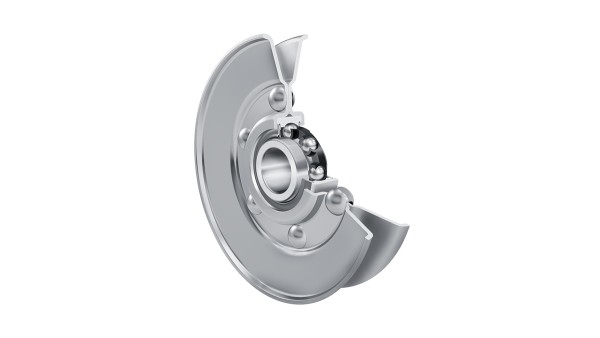
A typical belt tensioner includes a pulley mounted on a spring-loaded arm. The pulley presses against the belt. It takes up slack automatically. This keeps the belt tight, even as it stretches or experiences load changes. Some designs use a fixed pulley. Others are adjustable, so you can fine-tune tension during installation or maintenance.
Materials and Construction
Manufacturers make these parts from strong, durable materials. They choose steel, cast iron, or high-strength plastic, depending on the application. The pulley wheel often gets a special coating. This reduces friction and resists wear over time. The spring mechanism provides steady tension for a long service life. For instance, many automotive tensioners also include a damping system. It absorbs shock and cuts down on noise during operation.
Why Proper Belt Tension Matters
Right belt tension prevents common problems. It stops slippage, excessive noise, and premature belt failure. Too little tension makes the belt slip. This reduces power transfer and can cause overheating. Too much tension overloads the belt and bearings. This leads to increased friction and shorter service life. That’s where belt tensioners come in. They adjust automatically to maintain the ideal tension, even as operating conditions change.
Common Applications
Belt tensioners serve a wide range of uses.
- In automotive engines, they keep timing belts and serpentine belts tight. This prevents costly engine damage.
- In industrial machinery, they keep drive belts steady. This improves performance and reliability.
- In household appliances like washing machines, they ensure quiet, smooth operation.
Conclusion
All in all, belt tensioners are simple but essential parts of any belt drive system. They maintain just the right amount of tension. As a result, power transfer stays smooth, quiet, and reliable. They cut down on wear and help equipment run better for longer.